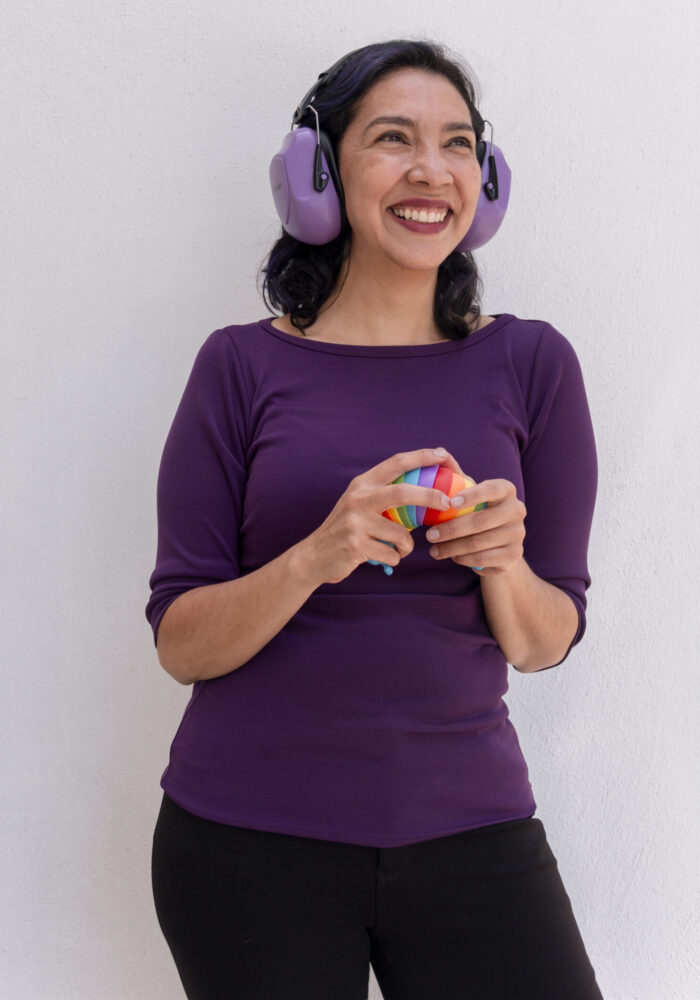
I was always a very different person, I liked being alone, close to nature, I asked many questions and my sense of justice has always led me to speak up even against my own well-being. The two adjectives I heard most in my life were challenging and intelligent. During my master's degree, studying the DSM, I had the thought that I might be neurodivergent (at that time another term was used) but the psychologist I consulted told me that I did not meet the criteria to start the diagnosis.
During the pandemic, when everyone was going through a crisis of fear, the psychologist I was seeing told me that he saw me as fulfilled, unlike the rest of the people, and we stopped having sessions because I was flourishing, I felt calm, I had a lot of creativity and ideas for things we could implement both at home and at work. I felt fortunate not to greet people with a kiss and social distancing gave me a lot of calm.
It wasn't until we returned to the offices, and I again had many difficulties adapting to “normality,” that my psychologist sent me to a neuro-psychologist for an evaluation he couldn't perform. After interviews and tests, I was diagnosed with Autism (level one) with high capabilities. My diagnosis means that I have enough intelligence to function in the current system, but my nervous system is on alert 24/7 to achieve it. That's why I constantly experienced crises for which I sought a psychologist because I demanded of myself to respond to the expectations of a world not made for me.
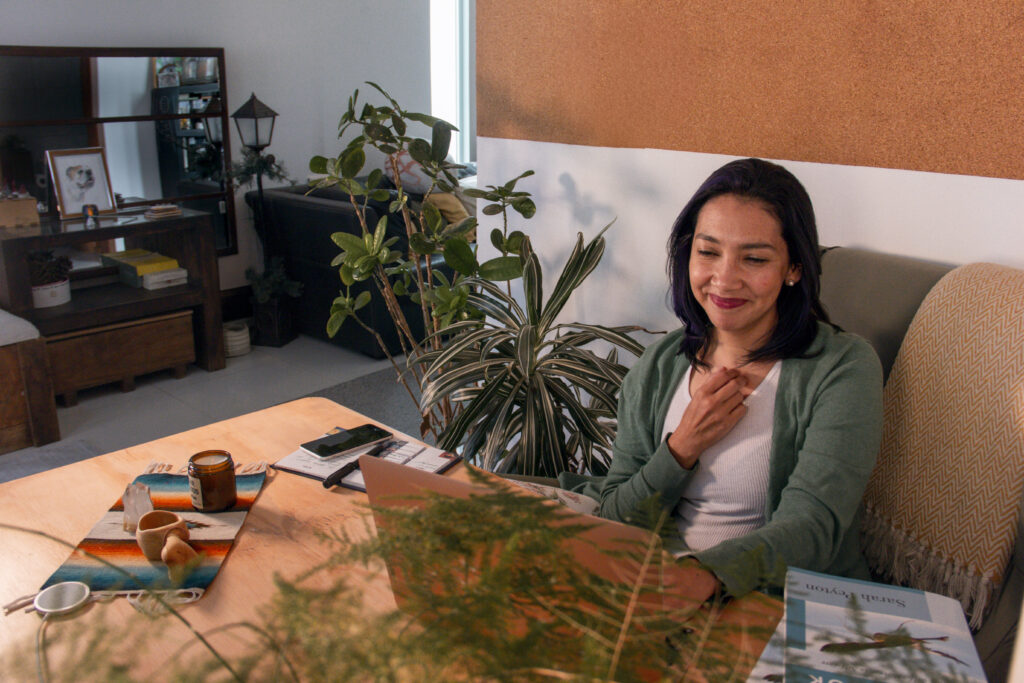
My high capabilities have helped me learn about human behavior, allowing me to analyze and identify patterns that enable me to survive in such environments, but they do not allow me to be myself with fullness or authenticity.
Since my diagnosis, I started learning about autism, its co-morbidities, about trauma and neurosciences because now I understand the comprehensive impact on longevity and quality of life.