Neurodivergence
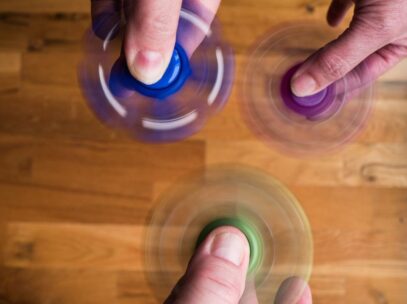 Neurodivergence and Human Ecosystems: designing for all minds to flourish.
A large percentage of entrepreneurs and leaders are neurodivergent because their ability to see things differently helps them innovate. That different perspective, that unique way of processing the world, is often the engine of ideas that transform industries.
Neurodivergence is not a “problem” to be corrected. It is a distinct configuration of the nervous system. The brain perceives, processes, and responds differently to the world. And when a team includes neurodivergent individuals, productivity can be up to 30% higher. But here's the key: diversity does not flourish on its own; it needs design.
Achieving a Human Ecosystem that includes and empowers neurodivergent individuals requires a tailored design. Human Design and Nonviolent Communication help us open ourselves to a broader understanding of each person's sensitivities, rhythms, and needs —without pathologizing, without labeling, without reducing anyone to a diagnosis.
Having a diagnosis can help make differences visible and help the environment (teachers, grandparents, uncles, even the parents themselves) recognize those needs and offer specific strategies. But a diagnosis is not necessary to start designing. Because when a Human Ecosystem is designed considering the characteristics and needs of everyone —with clear rhythms, flexible agreements, conscious communication, and spaces for regulation—, neurodivergent individuals can flourish. And with them, everyone.
An ecosystem designed to meet everyone's needs creates strategies that work for each person with empathy. Knowing, recognizing, normalizing, and including new ways of doing and relating is a process to which we can all contribute.