Neurodivergence

The experience of each neurodivergent person is unique, I mean that when you meet a person on the neurodivergent spectrum, you cannot generalize to everyone based on that experience, and approaching each one with empathetic curiosity is, for me, the most loving strategy.
There are characteristics that could be shared between autism and obsessive-compulsive disorder or between divergent attention and bipolarity; opening ourselves to a broader understanding of each person's sensitivities and needs leads us to be more aware of why the way the world is designed does not favor diversity, equity, or inclusion, and thus be able to make adaptations.
A diagnosis helps to make differences visible and for the environment (teachers, grandparents, uncles, even parents themselves) to understand the differences for which there are distinct support needs, with distinct strategies. It also gives meaning to the neurodivergent person as to why typical strategies don't work for them, recognizing the difficulties with empathy. Knowing, recognizing, normalizing, and including new strategies is a process to which we can all contribute.
 Keeping this in mind helps us to have more empathy and develop connection skills among everyone.
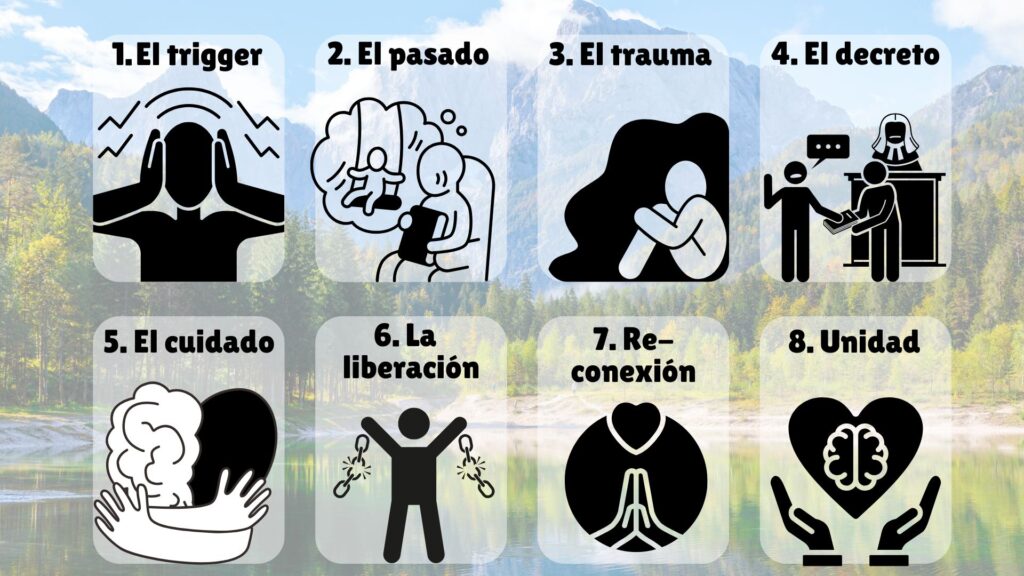
The methodology I use to accompany individuals or groups combines Nonviolent Communication tools and relational neurosciences to achieve a change in the way we interact and communicate.
There are 8 steps. The first three lead us to slow down and accompany what has been triggered. Steps 4 and 5 help us understand what we are caring for and empathetically nurture our experience. The last 3 steps help us create new connections, ways of acting, or habits that allow us to improve our relationship with ourselves and with others.