
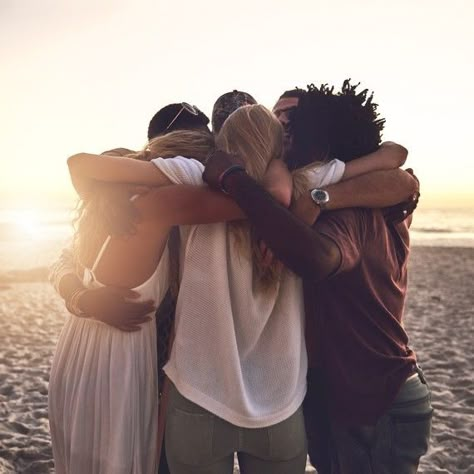
I come from a world where the greatest success was to achieve independent living. To have your space, your rules, your things. My dream was to leave my house and live in peace. I studied a lot, managed to have my space and survive… until I almost died.
I did everything I “was supposed to do” as best I could. In the place where I grew up, my individual needs were not seen. As a child, I had to obey the rules imposed by adults; they gave me food, education, and a roof.
Back then, the word neurodivergent was far from being invented, and much further from there being a diagnosis for a Mexican woman.
Growing up in a space where being myself led to receiving punishments from adults, I quickly learned that others were a risk, that the only way to be safe was not to be myself, or to be myself when alone. Pretending to be someone else and copying what others do and say was exhausting and terrifying.
Until I entered a space where being myself was not a risk. A space where questioning, expressing opinions, and communicating your perspectives was encouraged. My brain began to identify that there were places where one could be oneself without punishment. But that place was not in the family.
Living with others was exhausting, painful. A space where my individual needs were not seen meant that they gave me pasta to eat and I had to eat it even though it made me sick —I am celiac. I lived with pain and inflammation without being able to express it. A space where my individual needs were not seen meant that I had to do activities in spaces that overstimulated me —I am autistic. I lived with anxiety attacks every night without being able to express it.
Achieving living alone meant being able to eat what nourishes me, rest, take care of my needs, but the effort of achieving everything alone overloaded my nervous system. Living with others meant, for me, giving up self-care to follow the rules of coexistence.
But… what if living with others meant that we take care of each other's needs mutually? What if cohabiting means interdependence, connection, and care?
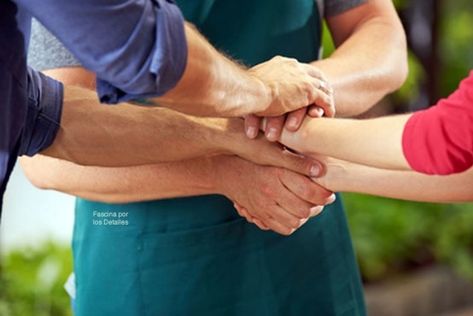 Nonviolent Communication helps us break free from the mindset of separation, where competition and power-over-others is what is experienced. It helps us see that there is a world where one lives in a mindset of unity, where collaboration and power-with-others take place, recognizing that everyone's needs matter and we are interconnected.
Human Design helps us identify what we need to flourish: what environments, what food, what care we need.
Relational Neurosciences help us embrace all those habits that we developed to survive and find new habits that take us out of survival and lead us to be the most authentic version of ourselves.
Nonviolent Communication is water for the seed to flourish. Human Design allows us to know what type of seed it is to know in which soil to plant it. There are seeds that need to be in a swamp, there are seeds that germinate after a fire, there are others that need cold. And Relational Neurosciences help us heal the ecosystem so that new seeds find a nourishing space to flourish.
Humans are social beings and our well-being comes from living with others in spaces where there is interdependence, psychological safety, trust, care.
Maybe we were not born or raised in such places. But we can design them to live in them and cultivate them for our care and that of future generations.
And you? Have you experienced the tension between taking care of yourself alone or taking care of yourself with others? What would you like to design in your life with others? I would love to read you.